For any semi-automatic pistol, whether it be as straight forward as a Glock or more parts intensive as a Sig Sauer and alike, you still have to take care of the gunmetal, inside and out. None of what I am about to share should be new to an experienced handgun owner, but I know there are many opinions.
For grease applications, specifically, the rails are treatment surface number one. After that, the exterior of the barrel, on top and towards the front where the most friction occurs in most designs. Other friction points include the connector, slide and trigger assembly. These need grease because they are high-wear parts. Some people don’t appreciate the difference that grease offers but the top factories do, so don’t let pride get the best of you.
- Grease has more body than grease and is meant to handle pressure, load bearing and friction on high wear parts better.
- Grease stays in place. In other words, it won’t drip off due to its viscosity.
- Grease is not grease. Some are far superior to others so choose wisely.
For oil applications, you need to start with inside the bore. Polish in the lube until it isn’t visible – this is very important because you do not want any material visible on the substrate as to avoid any interference with the ballistic event. Just like fouling, you can slow down Feet Per Second (FPS) performance, so don’t.
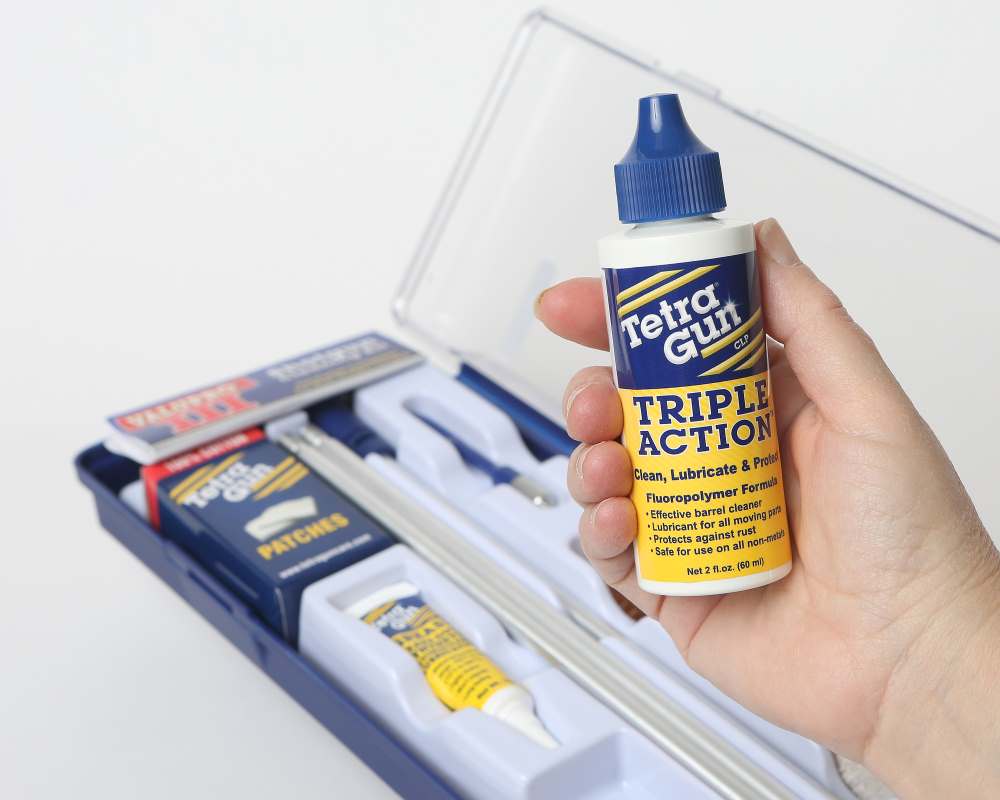
Following the bore treatment, oil the outside of the barrel as well. You could lubricate the slide and any other metal parts on the upper or lower sections, but never the firing pin. Keep that clean and dry. Gunmetal should be protected for these reasons:
- Appearance, the least important reason.
- Acting as a protective barrier from rust and corrosion.
- Providing a barrier layer against fouling so that cleaning can be easier vs. running any firearm parts with a naked dry finish.
- NOTE: Too wet is messy and the oil can migrate into a holster, etc. so we are only recommended a polished finish.
I also recommend lubricating metal magazine components. It makes dry wipe downs much more successful. And don’t forget various pins and springs, but remember not to over-lubricate anything, especially when dealing with oil. You will only waste product and make a drippy mess as noted above.
Proper lubrication is important for more than one reason. First, you want to minimize wear, but the other purpose is to act as a buffer between the gunmetal and the outside environment. Hot and humid if not a saltwater environment poses a threat, as does a sandy, dusty climate. Experienced shooters know what they experience. Worse than that gun solvent residue is the leading culprit to such problems.
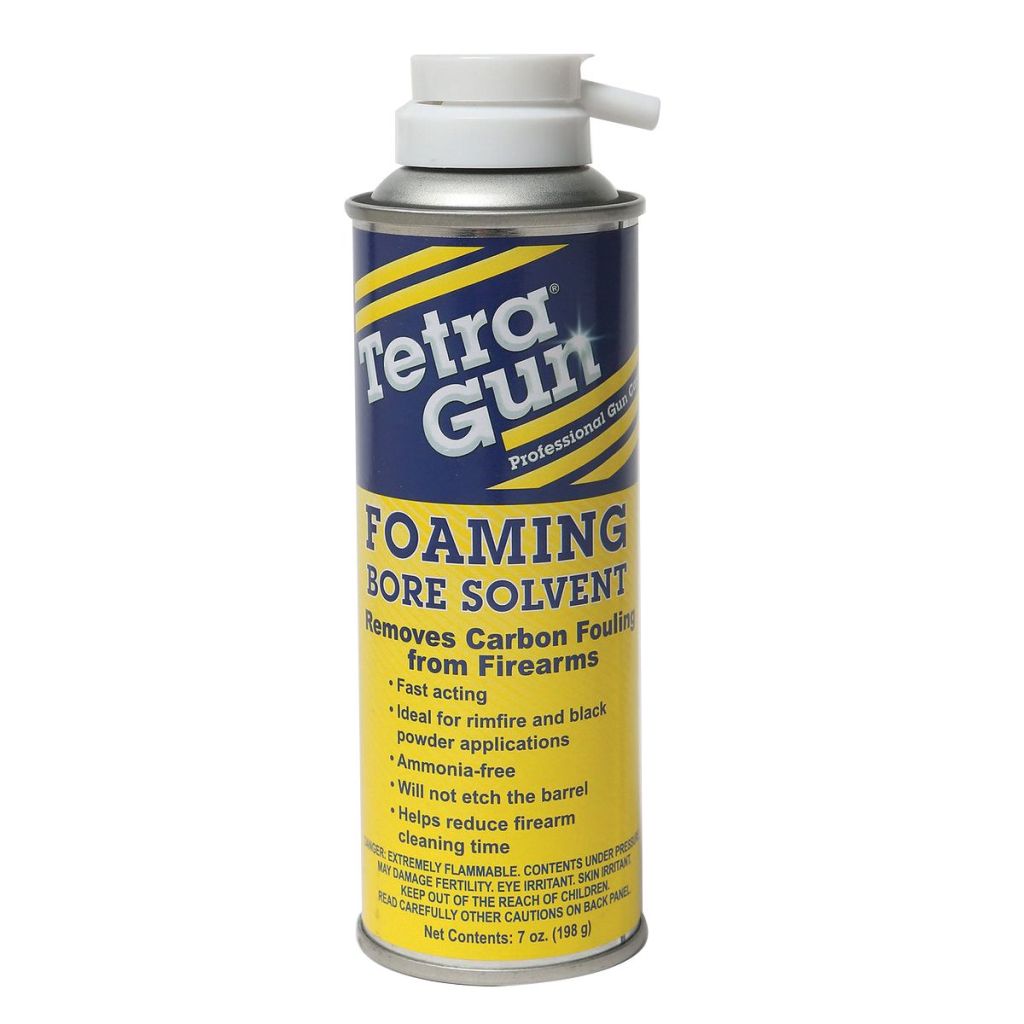
It is common for gun writers to focus on the use of cleaning products, but we accentuate the value of lubricants. Gun cleaner is essential in firearm maintenance, but it is a preparation and not a destination, so we philosophically recommend as follows:
- Clean guns using whatever chemical you have depending on the required strength. We recommend a gentle formula unless you need to go with a copper solvent when there is hard buildup.
- After cleaning, you need to remove solvent residue. By its nature, any bore cleaner is designed to eat away at fouling, and more importantly lubricants, so you need to address this before lubrication aka applying the Lubricant Protectant (LP).
- We recommend wiping gun parts down with 91%+ isopropyl alcohol. It will show on the cotton if it is truly clean, and it evaporate quickly for you.
- Do not assume just a dry wipe will remove solvent residue, especially a gun that has a lot of history on the metal. Often, solvent residue embeds in the metal under the surface and gets drawn out when a gun lube is applied, creating a reactive mess. Don’t blame the lube as some do.
- Cleaner Lubricant Protectant (CLP) is fine, but it may not serve all purposes, but for light duty use, it may be all you need, especially if you are staying on top of wipe downs after a shoot.
Keeping any firearms in fire-ready condition is an expectation for any gun owner, especially if you are preparing to go to the range. You want to clean, but then follow that up with lubricating, every time. Yes, that needs repeating.
Dry, untreated gun parts, or even those coating in solvent residue, only opens the door to friction, wear and potential malfunctions like jams. We strongly recommend using synthetic lubes like from the Tetra Gun brand. They offer many formulas you can turn to, including: grease, oil, CLP and an aerosol format CLP as well, not to mention their choice of cleaning solutions.
Also, no matter what you go with a combination of different lube or cleaner brands. You are asking for trouble because you don’t know what chemical reactions can lead to. I see too many people advising you to use one lube for this part and another lube for something else. It makes no sense and applies that all of their choices suck.
#pistol #handgun #semiauto #9mm #45cal #40cal #lubeandprotect #2a #guncare #tetragun #armorer #gunsmith #gunsmithing #smallarms #pewpew #shootingsports #singleaction #doubleaction #ccw #edc
 Tetra Gun care
Leave a comment